Stock Investing vs Trading: Which Strategy is Right for You?

Stock Investing vs Trading: An Overview
Embarking on your journey into the world of stock market can be both exhilarating and overwhelming. The decision to invest in stocks or to engage in trading requires careful consideration of your financial goals, risk tolerance and investment timeline. While both stock investing and trading offer opportunities for potential financial gains, they come with their own set of pitfalls. Stock investing allows you to take a long-term approach and benefit from the power of compounding, while trading caters to more short-term profits with a higher degree of risk. As you weigh the options, it's crucial to understand the nuances of each strategy and determine which one aligns best with your investment objectives and comfort level with risk. This blog post will provide you with the essential information to help you make an informed decision on whether stock investing or trading is the right strategy for you.
Key Takeaways:
Time Horizon: Stock investing is ideal for individuals with a long-term time horizon, looking to build wealth over time. On the other hand, trading is suited for those with a shorter time frame, looking to capitalize on short-term market fluctuations.
Risk Tolerance: Stock investing generally involves lower risk compared to trading, as it focuses on the long-term growth potential of companies. Trading, however, can be more risky due to the volatile nature of short-term price movements.
Research and Monitoring: Stock investing requires thorough research and continuous monitoring of your investments, while trading demands swift decision-making and constant attention to market trends.
Understanding Stock Investing
Clearly, understanding the basics of stock investing is crucial before you make any decisions on whether this strategy is right for you. Stock investing involves buying shares of a company and holding onto them for an extended period, with the goal of achieving long-term growth and income.
The Basics of Long-Term Investing
When you opt for long-term stock investing, you are committed to holding onto your investments for an extended period, typically more than one year. This approach allows you to benefit from the power of compounding, as the returns you earn on your investments are reinvested to generate even more returns over time. The idea is to build wealth steadily and consistently, rather than trying to make quick profits by timing the market.
Advantages of Stock Investing
The primary advantage of stock investing is the potential for long-term growth. When you invest in fundamentally sound companies with strong growth prospects, you stand to benefit from the appreciation of their stock prices over time. Additionally, stock investing can provide a source of passive income through dividends, which are distributions of a company's profits to its shareholders.
Common Stock Investing Strategies
One common stock investing strategy is value investing, which involves identifying undervalued stocks and holding onto them until their true value is recognized by the market. Another strategy is growth investing, where you focus on companies with strong growth potential and invest in their stocks with the expectation of substantial future appreciation. Additionally, dividend investing involves seeking out companies with a history of paying dividends and building a portfolio to generate a steady income stream.
Delving into Stock Trading
Your decision to delve into stock trading marks an important step in your financial journey. Unlike long-term investing, stock trading involves actively buying and selling stocks within short periods. This strategy requires a deep understanding of market dynamics and the ability to make swift decisions based on technical and fundamental analysis.
The Nature of Short-Term Trading
Short-term trading, also known as day trading, involves buying and selling stocks within the same trading day, or holding positions for just a few days. This approach requires a high level of discipline, as it involves making quick decisions and managing risks in a fast-paced environment. It is important to note that short-term trading can be highly volatile and may lead to significant gains or losses within a short period.
Benefits of Stock Trading
Stock trading offers the potential for high returns in a relatively short period. Additionally, it provides the opportunity for active participation in the financial markets, allowing you to leverage your knowledge and skills to make informed trading decisions. However, it is important to be aware of the risks involved, as stock trading can lead to substantial financial loss if not approached with caution.
Popular Stock Trading Techniques
There are various techniques used in stock trading, including momentum trading, swing trading, and contrarian trading. Momentum traders capitalize on the strength of a stock's recent price movements, while swing traders aim to profit from the short-term fluctuations in stock prices. Contrarian traders, on the other hand, seek to identify and capitalize on market trends that deviate from the prevailing sentiment. Each technique has its own set of risks and potential rewards, and it is important to carefully consider which approach aligns with your risk tolerance and financial goals.
Comparing Stock Investing and Trading
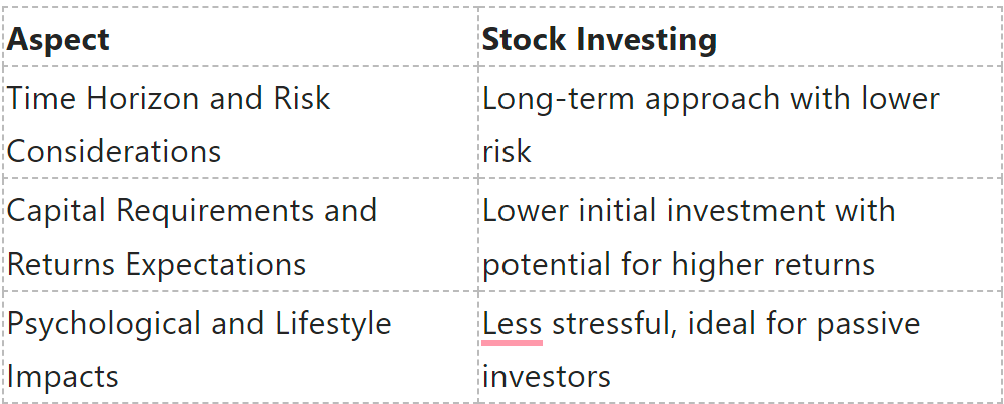
To gain a better understanding of the key differences between stock investing and trading, it's important to compare the two strategies. For a more in-depth look at this topic, you can check out this article on Trading vs investing: Which is right for you? by Fidelity. Here, we'll break down the information into a simple table for easy comparison.
Time Horizon and Risk Considerations
When it comes to stock investing, you typically have a longer time horizon, often measured in years. This longer-term approach generally carries lower risk because you are not as susceptible to short-term market fluctuations. This makes stock investing a suitable strategy for those with a low tolerance for risk and a preference for a more hands-off approach to managing their investments.
Capital Requirements and Returns Expectations
Stock investing usually requires a lower initial investment compared to trading. While the potential returns may be higher over the long run, they may also take longer to materialize. If you are looking for a strategy that allows for steady, long-term growth and are willing to be patient, stock investing may be a good fit for you.
Psychological and Lifestyle Impacts
One of the main benefits of stock investing is the reduced psychological and lifestyle impact compared to trading. Since stock investing typically involves buying and holding assets for the long term, it can be less stressful and time-consuming. This makes it ideal for individuals who prefer a more passive approach to managing their investments and don't want to be constantly monitoring the markets.
Choosing Your Path
Unlike stock investing, which involves buying and holding stocks for the long term, trading involves frequent buying and selling of stocks, often within a short period of time. When deciding which strategy is right for you, it's important to consider your financial goals, risk tolerance, and time commitment.
Assessing Your Financial Goals
When determining whether stock investing or trading is the right path for you, it's crucial to assess your financial goals. If you're looking to build wealth over time and are willing to hold onto investments for the long term, stock investing may be the better option for you. On the other hand, if you're looking to make short-term profits and are comfortable with a higher level of risk, trading may be more suitable for your financial goals.
Risk Tolerance and Time Commitment
Your risk tolerance and time commitment are also important factors to consider when choosing between stock investing and trading. Stock investing typically requires a lower level of time commitment, as you can buy and hold onto investments for years. However, trading requires a significant time commitment, as you need to closely monitor the market and make quick decisions. Additionally, trading often involves a higher level of risk, as the market can be unpredictable and volatile.
Building a Tailored Investment or Trading Plan
Regardless of whether you choose stock investing or trading, it's essential to build a tailored plan that aligns with your financial goals, risk tolerance, and time commitment. Your plan should include clear investment or trading objectives, as well as a set of rules and guidelines to follow. By having a plan in place, you can manage your risk and make informed decisions that are in line with your overall strategy.
The Difference between Stock Investing and Trading
The decision of whether to engage in stock investing or trading ultimately depends on your individual financial goals, risk tolerance, and time horizon. If you are looking to build wealth over the long term and are comfortable with a more passive approach, stock investing may be the right strategy for you. On the other hand, if you are seeking potentially higher returns and are willing to actively manage your investments, trading may be more suitable. It is important to thoroughly understand the differences between these two approaches and carefully consider your own financial situation before making a decision. You can learn more about the differences between trading and investing here.
Common Questions
Q: What is the difference between stock investing and trading?
A: Stock investing involves purchasing shares of a company with the intention of holding onto them for the long term in order to benefit from potential dividends and capital appreciation. On the other hand, trading involves buying and selling stocks in the short term to take advantage of market fluctuations and price movements.
Q: How do I determine which strategy is right for me?
A: Your decision should be based on your financial goals, risk tolerance, and time commitment. If you are comfortable with a long-term approach and are willing to ride out market volatility, stock investing may be suitable for you. However, if you prefer to actively manage your portfolio, have a higher risk appetite, and can dedicate time to monitor the markets, trading may be more appropriate.
Q: What are the potential risks and rewards associated with each strategy?
A: Stock investing has the potential for significant long-term gains, but it also carries the risk of market downturns and company-specific challenges. Trading offers the opportunity for quick profits, but it comes with higher volatility and the possibility of substantial losses. It's important to carefully weigh the risks and rewards before choosing a strategy that aligns with your financial objectives.
Master Stock Trading Today.
Join Over 2000 Students that have made $1000+ in a day! - Over $10M earned by students in a year - Make up to $200 a day using just your phone and laptop. - Realize your income goals with our expert 7-step Trading Roadmap
See Also
The Importance of Stock Investing: Optimizing Returns and Minimizing Risk